
"Ecuador Bourbon"
500 article(s) found

Aromatic Ecuadorian fine coffee beans Flavor Taste Manor Features
In 1875, 340 years after Frei Thomas de Berlanga discovered the island, an indigenous man named Cobos arrived on San Cristobal Island, where he established the Hassenda Coffee Plantation and planted about 100 hectares of Arabic bourbon trees. Because the plantation is located between 140 meters and 275 meters above sea level, the climate is equivalent to the climate between 915 meters and 1830 meters inland.

Introduction to the characteristics of Ecuadorian Coffee Flavor Manor
Ecuador was originally part of the Inca empire. It was colonized by Spain in 1532. Independence was declared on August 10, 1809, but it was still occupied by Spain. It was completely freed from Spanish colonial rule in 1822 and became part of the Republic of Greater Columbia. After the disintegration of Great Colombia in 1830, the Republic of Ecuador was proclaimed. Since the founding of the people's Republic of China, Ecuador has been in political turmoil.

Evaluation of Coffee Raw beans in Galapagos Islands, Ecuador Coffee introduction to the best coffee growing belt
Professional barista exchanges please pay attention to the coffee workshop (Wechat official account cafe_style) Ecuador is not a major coffee producing country, although located in the coffee belt, but the geographical environment is more suitable for cocoa cultivation. So beans from Ecuador are not common. Usually, the coffee items that can still survive in this kind of country are ace grade, such as the Blue Mountains of Jamaica and Yau of Puerto Rico.

Moderate and mellow Hassanda Coffee Manor in Ecuador the cultivation of boutique coffee beans is located in geography.
Between Colombia and Peru, Ecuador, which passes through the equator, is one of the few countries in South America that produces both Arabica and robastian coffee. In fact, Ecuador means the Spanish equator. Due to the use of old-fashioned traditional harvesting and handling methods, Ecuadorian coffee is not listed as a boutique coffee, so it is generally rarely seen.

Balanced and refreshing coffee flavor description of Santa Cruz Manor in Ecuador introduction to the characteristics of roasting area
St. Cristobal is a larger island in the Galapagos archipelago. At 410m above sea level, there is a small lake called El.Junco, which forms streams along the rocks and volcanic rocks on the southern slope of the island. Mineral-rich fresh water moistens the land of St. Cristobal, keeping the soil moist and fertile. For here.

Introduction to Galapagos Coffee producing area
Because of the unique role of the Galapagos Islands in the course of history, the Government of Ecuador has designated the Galapagos Islands as a national park, the land is no longer allowed to be reclaimed as new agricultural land, and the introduction and use of chemical fertilizers, pesticides, herbicides and other chemicals are strictly prohibited, so coffee produced in the Galapagos Islands is recognized as a natural product. Ecuador ES Coffee South Ecuador

Introduction of Ecuador Galapagos Coffee Flavor Manor with unique flavor
Central mountain: after entering Ecuador from Colombia, the Andes is divided into the eastern and western Cordillera mountains, with a plateau high in the north and low in the south, averaging between 2500 and 3000 meters above sea level. The Andes run through the middle of the border. The ridges crisscross, dividing the plateau into more than ten intermountain basins. The most important are the Quito basin and the Cuenca basin in the south. Volcanic crowds in the territory

A brief introduction to the market price of pure slightly sour Salvadoran boutique coffee beans
The Himalayan Manor, located in Santa Ana, a famous producing area in the Apaneca Mountains at an altitude of 1500 meters, is one of the few estates managed by Aida Batlle. The planted varieties are mainly washed with bourbon, which consumes too much water and causes serious pollution, so the semi-washing method is produced, which means that the defective floating fruit of the coffee fruit is removed through the sink, and then part of the colloid layer is removed and then washed.

The producing area of boutique coffee Ecuador
Ecuador Coffee Coffee Origin: the Ecuadorian Arabica Coffee Tree was first introduced to Ecuador (Ecuador) in 1952 and its coffee quality is very good, especially the coffee harvested in early June. Ecuadorian coffee beans can be divided into two varieties: Galapagos and Gigante, both of which have the characteristics of large granules and heavy weight. Ecuadorian coffee can be classified according to its quality.

A brief introduction to the History and Culture of the Origin and Development of Galapagos Fine Coffee beans with Sweet Sour
In 1875, 340 years after Freitoma de Belanga discovered the island, a native named Kovos came to St. Cristobal, where he established the Hasunda Coffee Garden and planted about 100 hectares of Arabian bourbon coffee trees. As the plantation is located between 140m and 275m above sea level, the climate is equivalent to that between 915m and 1830 m in the interior.

Introduction to the characteristics of Ecuador Galapagos Coffee Flavor Manor with rich taste
Galapagos Islands Coffee features: coffee produced in the Galapagos Islands (Galapagos Islands) is a treasure of coffee with excellent quality and is grown without any chemical agents. Flavor: rich taste, sweet and sour suggested baking method: medium roast ★★★: excellent Galapagos Islands Coffee Market: due to the history of the Galapagos Islands

Introduction to the characteristics of coffee flavor and taste varieties in Hasunda Coffee Garden
Between Colombia and Peru, Ecuador, which passes through the equator, is one of the few countries in South America that produces both Arabica and robastian coffee. In fact, Ecuador means the Spanish equator. Due to the use of old-fashioned traditional harvesting and handling methods, Ecuadorian coffee is not listed as a boutique coffee, so it is generally rarely seen.

Introduction to the balanced and refreshing coffee flavor and taste manor of Hassanda Coffee Garden in Ecuador
Port Guayaquil is the largest seaport in Ecuador. It faces the Pacific Ocean and backs against Mount Santa Ana. The nearby island of Pune serves as a natural barrier to protect the harbour from storms. There is a wharf in the south, which is more than 900 meters long. Ships from different parts of the world flying various flags are moored in the harbor. The port railway leads to the capital Quito, and highways connect Quito with other cities in the country.

Introduction of Ecuadorian Coffee Flavor Hasunda Coffee Garden in Ecuador Coffee producing area
St. Cristobal is a larger island in the Galapagos archipelago. At 410m above sea level, there is a small lake called El.Junco, which forms streams along the rocks and volcanic rocks on the southern slope of the island. Mineral-rich fresh water moistens the land of St. Cristobal, keeping the soil moist and fertile. For here.

Galapagos Coffee San Cristobal region, Ecuador
When Thomas and the crew landed on the island, they were frantically looking for water and were so thirsty that they squeezed juice from the fat leaves of the cactus to drink. At last a source of water was found in a rocky gully. Thomas attributed it to the gift of God, because it was good Friday, and they had piously celebrated mass before they set out in search of water. But Thomas will never

Introduction to the Flavor and Taste of Coffee Manor in Ecuador
West coast: including coastal plains and foothills, high in the east and low in the west, generally below 200 meters above sea level, with some hills and low mountains at an altitude of 600 to 700 meters. Belongs to the tropical rain forest climate, the southernmost end begins to transition to the savanna climate. The average annual precipitation decreases from more than 3000 mm to about 500mm from north to south. Central Mountains: the Andes enter Ecuador from Colombia
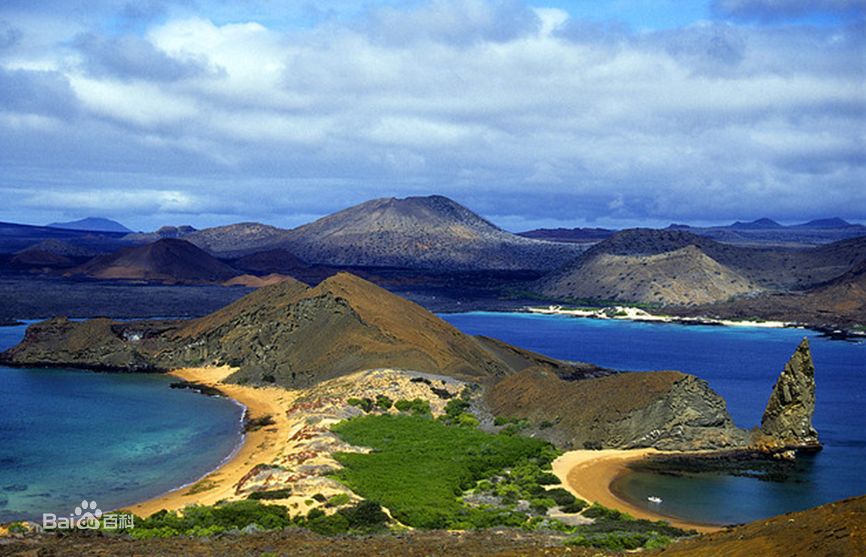
A brief introduction to the Flavor of Fine Coffee beans in the Galapagos Islands of Ecuador
Coffee treasures from the hometown of giant turtles, which are of excellent quality and do not use any chemicals when growing. Coffee is grown in San Cristobal (Saint Crstbal). St. Cristobal is a larger island in the Galapagos Islands (Galapagos Islands) and the only one in the archipelago with plenty of fresh water. At 410 meters above sea level on the island

Introduction to the characteristics of Ecuador Coffee Galapagos Coffee Flavor Manor
Flavor: taste rich, sour and sweet suggested baking method: medium roasting ★★★: excellent Galapagos Islands Coffee Market: due to the unique role of the Galapagos Islands in the historical process, the Ecuadorian government has turned the Galapagos Islands into a national park, no longer allowed to reclaim the land for new agricultural land, and strictly forbids the introduction and use of chemical fertilizers, pesticides and herbicides

Grade A coffee producing area of Ecuador, Santa Cruz, Galapagos Islands.
As coffee is consumed by people all over the world, the world coffee industry is also moving towards mass production, while St. Cristobal, a small and unreliable coffee industry, is in trouble and is likely to be forced to give up without profit. It wasn't until the early 1990s that the Gonzalez family bought Hasunda Coffee Park. Humboldt current (HumboldtC

Introduction to Santa Cruz Manor in Ecuador Coffee Manor
St. Cristobal is a larger island in the Galapagos archipelago. At 410m above sea level, there is a small lake called El.Junco, which forms streams along the rocks and volcanic rocks on the southern slope of the island. Mineral-rich fresh water moistens the land of St. Cristobal, keeping the soil moist and fertile. For here.